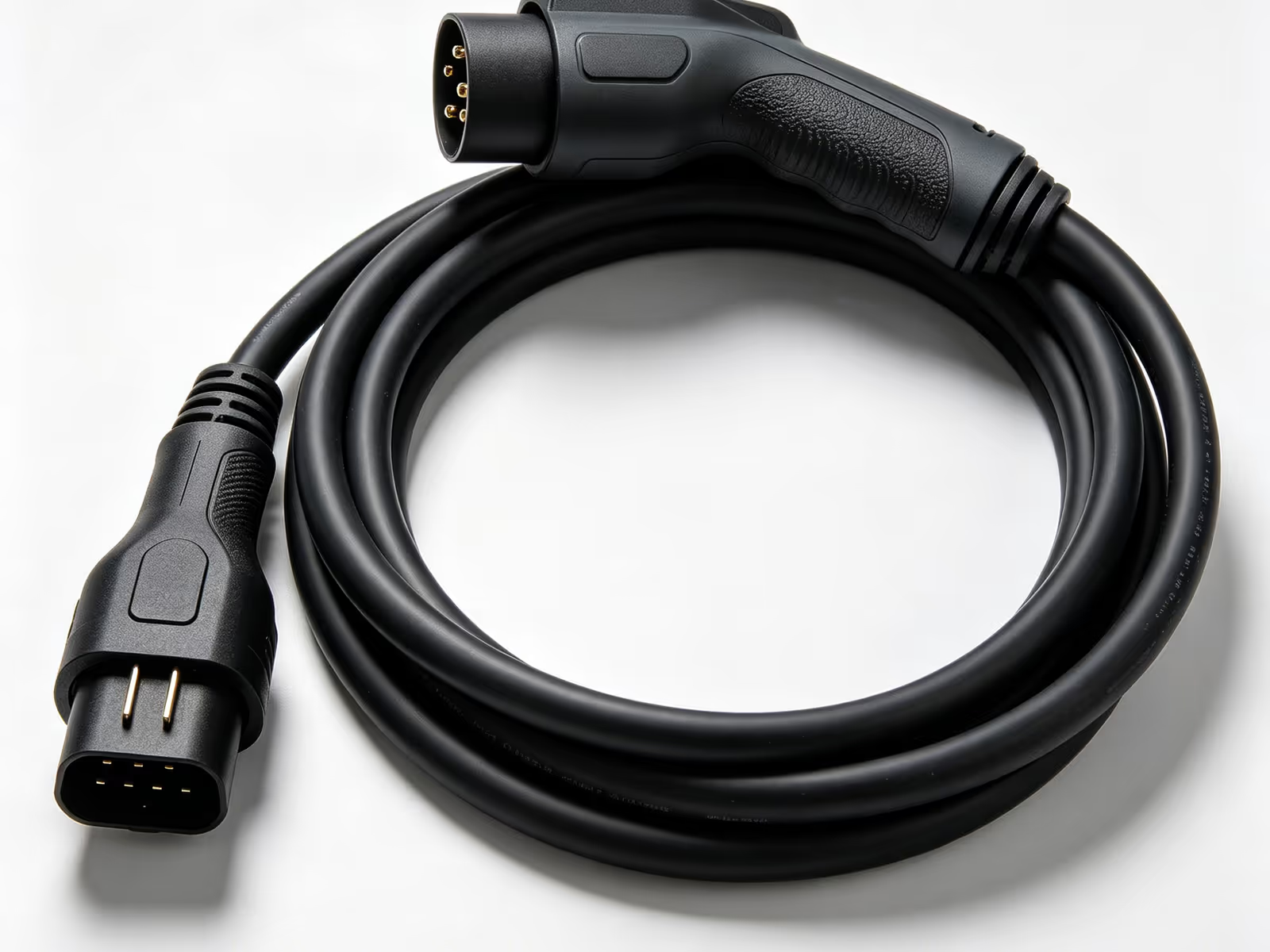
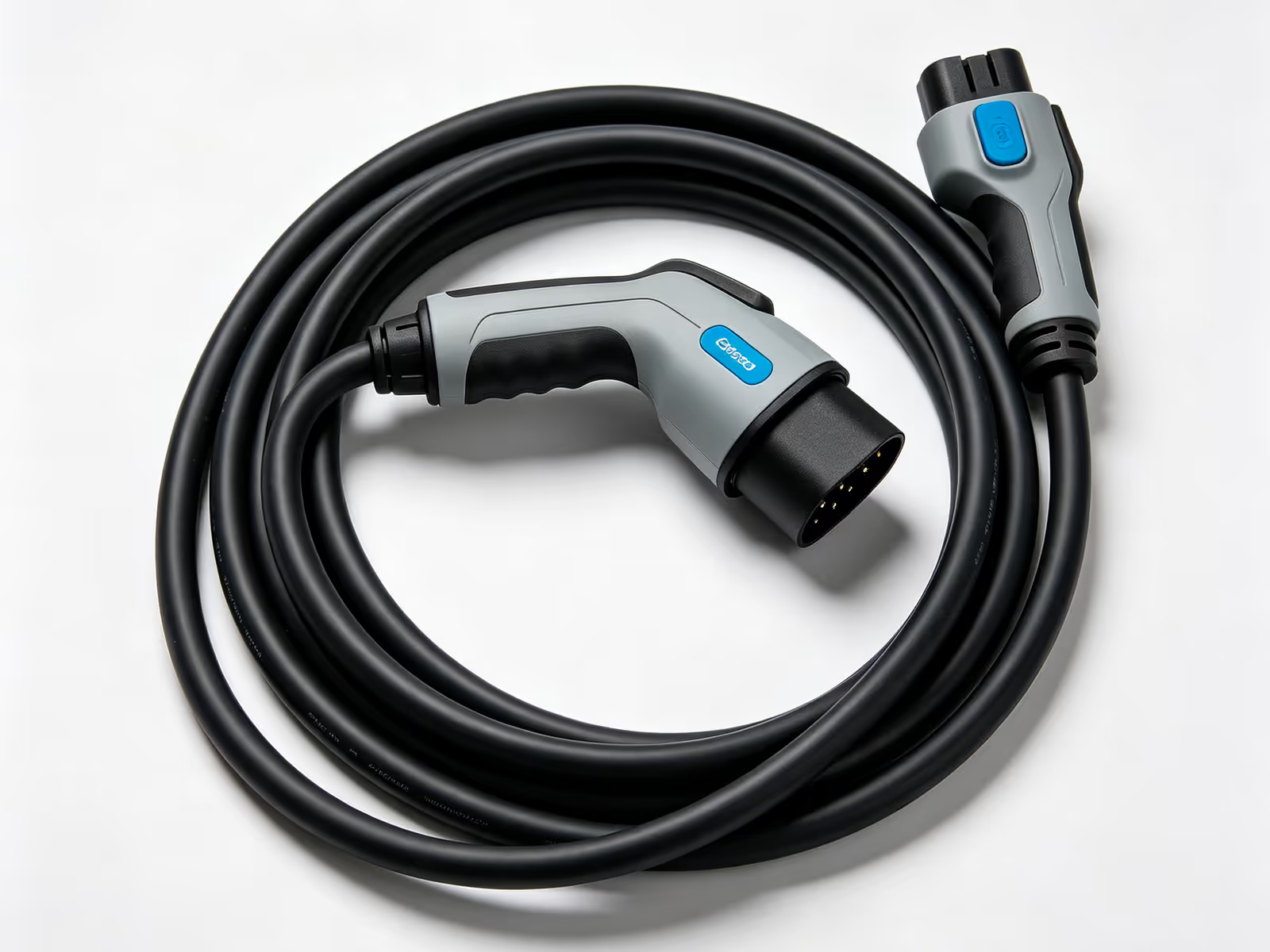
Fast charging data cables have revolutionized the way we power our devices, offering significantly shorter charging times and enhanced safety compared to standard cables. Unlike ordinary charging accessories that merely conduct power, fast charging data cables incorporate advanced materials, intelligent electronics, and precision engineering to deliver higher wattages efficiently. Their working principle revolves around minimizing resistance, managing heat, and dynamically negotiating power requirements with the connected charger and device.
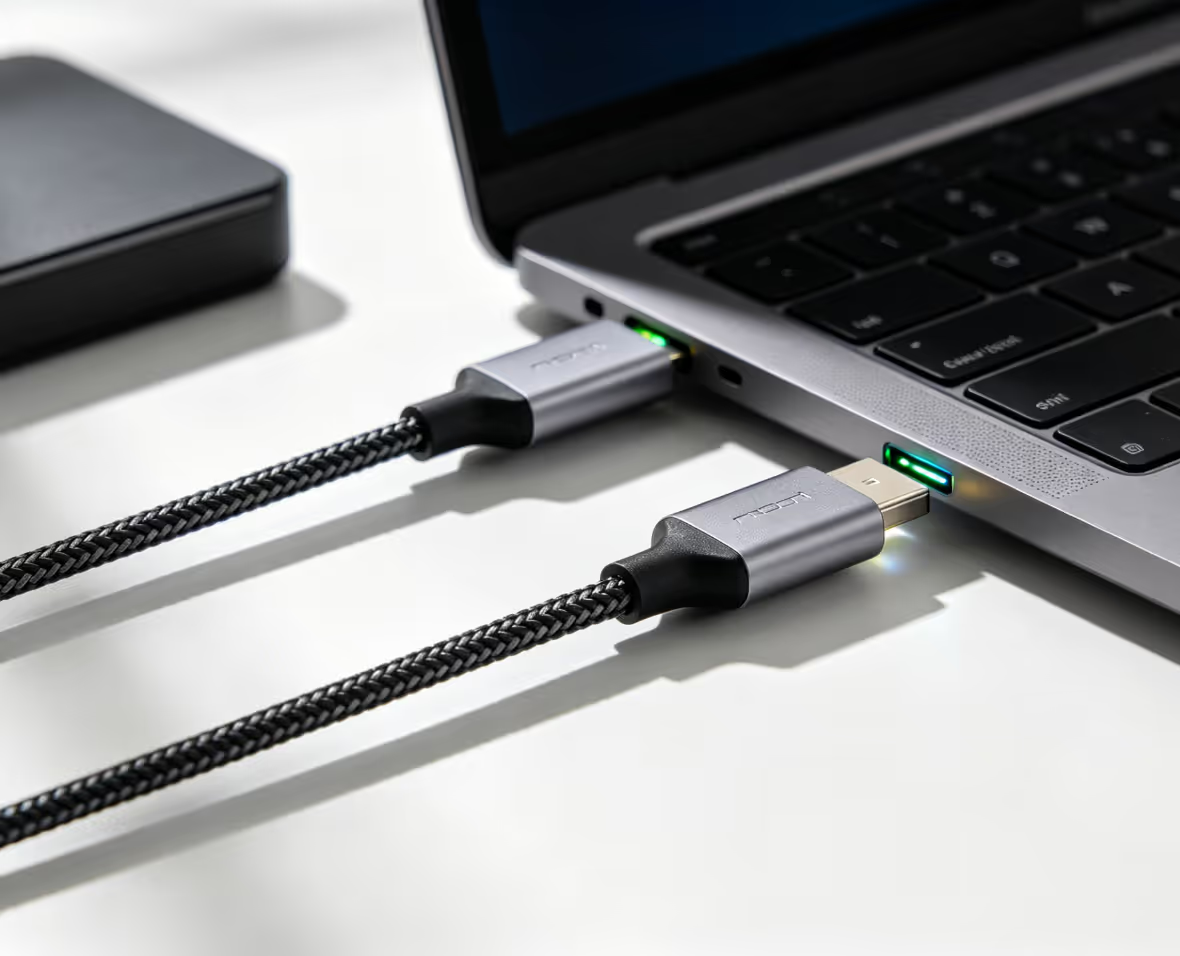
How Fast Charging Data Cables Achieve Rapid Power Delivery
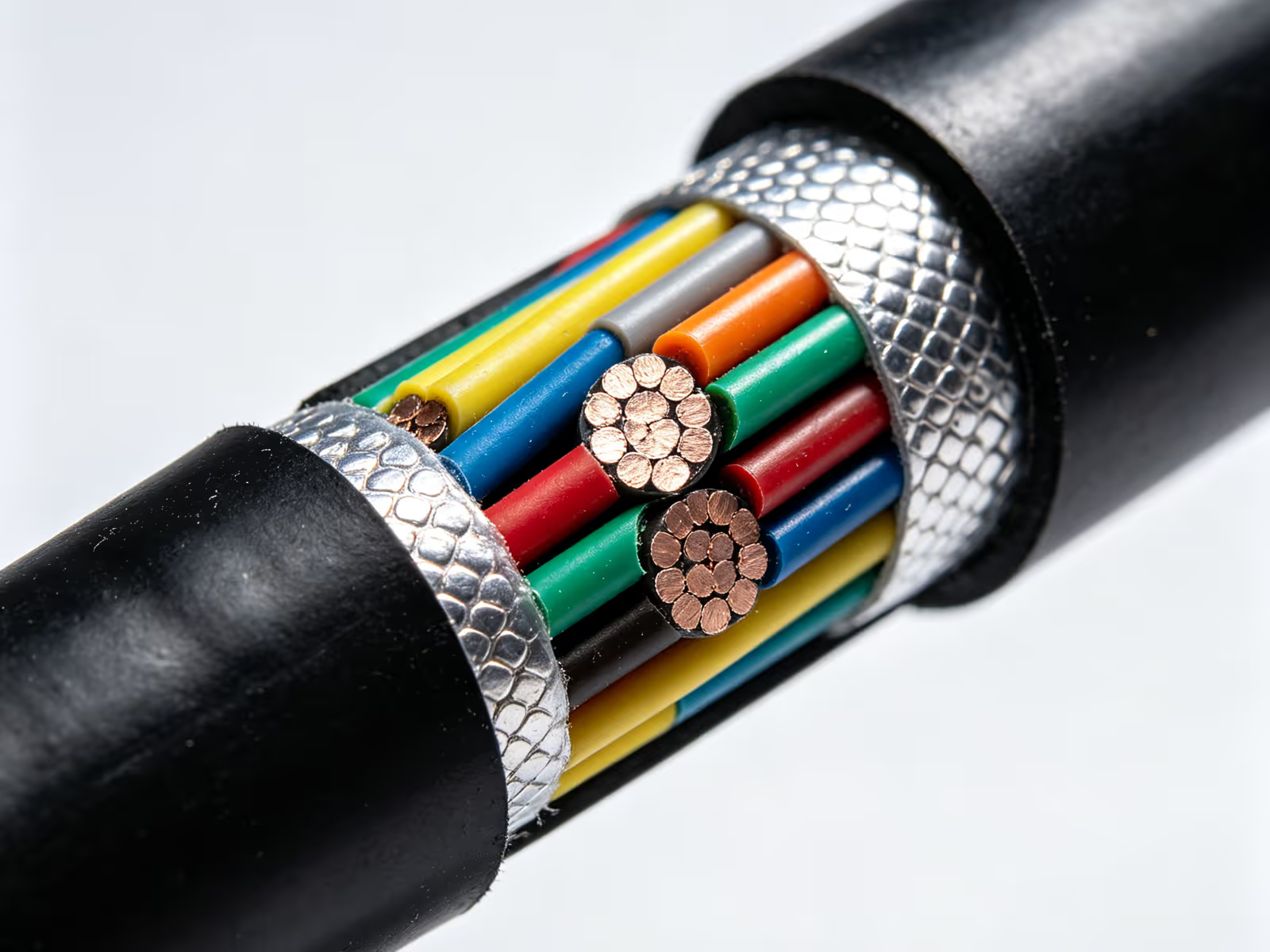
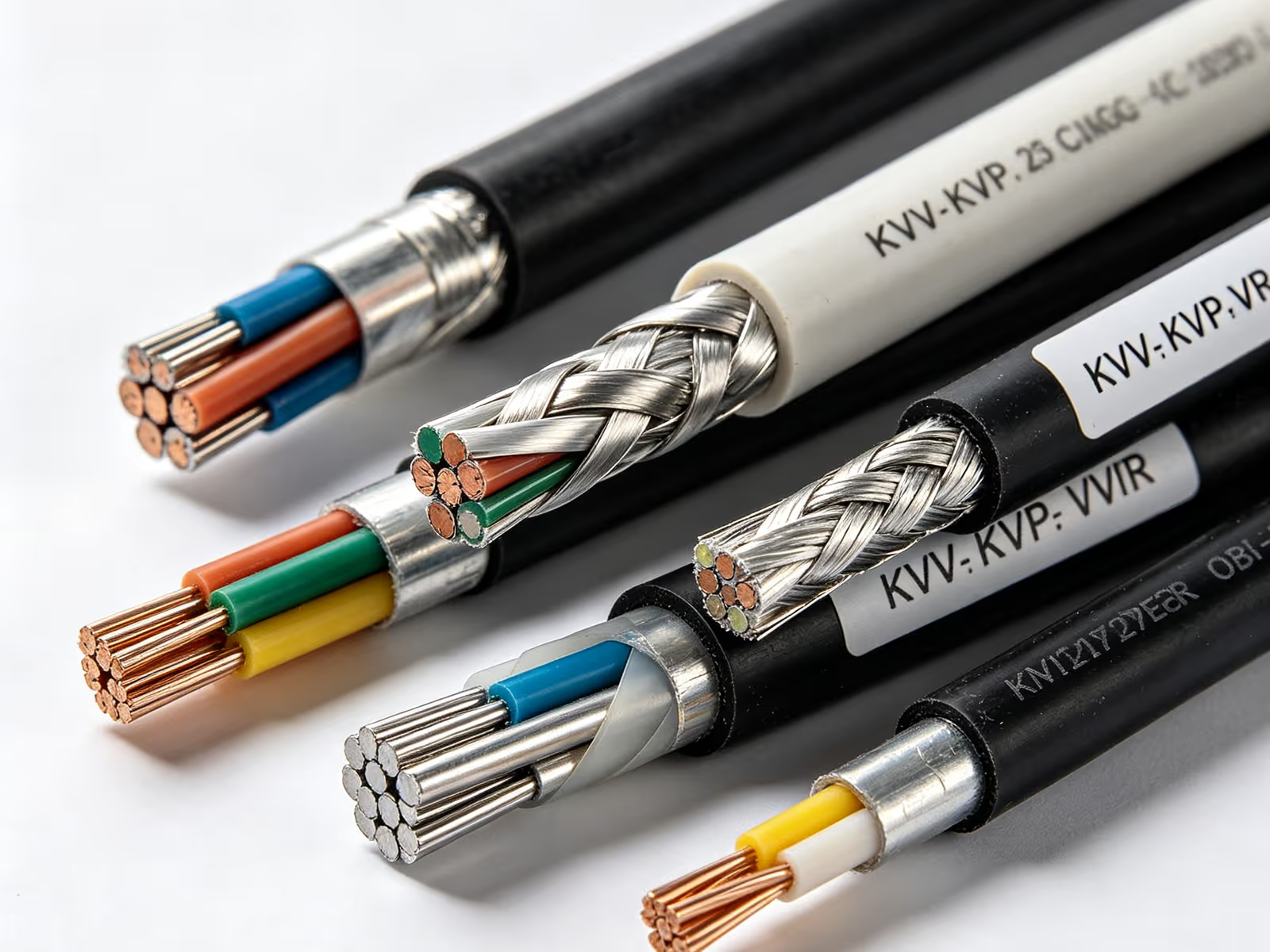
The foundation of any fast charging data cables lies in its conductor design. Ordinary cables typically use thin copper wires (often 28 AWG or higher) that exhibit substantial electrical resistance, limiting current flow and generating wasteful heat. Fast charging data cables, by contrast, employ thicker high-purity copper cores—frequently 21 AWG or lower—dramatically reducing resistance. This allows them to carry currents of 3A, 5A, or even higher without voltage drop or excessive temperature rise. Materials like oxygen-free copper (OFC) are often used to further enhance conductivity and durability. By lowering resistive losses, these cables ensure that nearly all the power drawn from the charger reaches the device, enabling rapid replenishment of batteries.
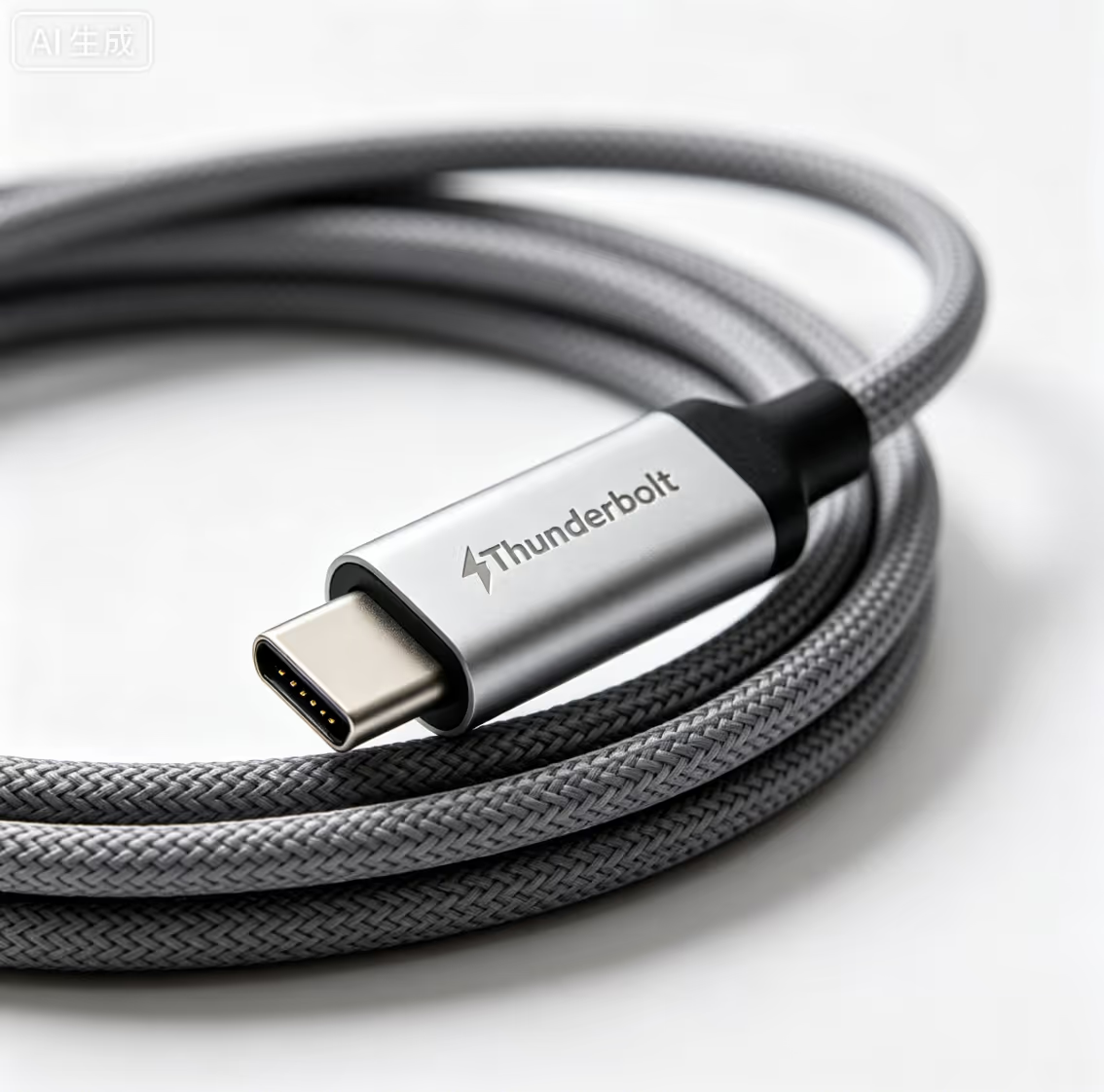
Smart Identification Chips
The intelligent hub of fast charging data cables is a built-in microchip that actively communicates with both the power adapter and the target device. This chip can recognize a wide array of fast charging protocols such as USB Power Delivery (PD), Qualcomm Quick Charge (QC), Samsung Adaptive Fast Charging (AFC), Huawei SuperCharge, and PPS (Programmable Power Supply). Upon connection, the chip exchanges handshake signals to determine the optimal voltage and current combination. For a device that supports 65W PD charging, the cable will allow 20V at 3.25A; for a legacy device, it defaults to standard USB 2.0 power levels to protect the battery. This dynamic negotiation prevents overvoltage damage and ensures that fast charging data cables unlock maximum speed only when it is safe to do so.
Superior Shielding and Pin Architecture
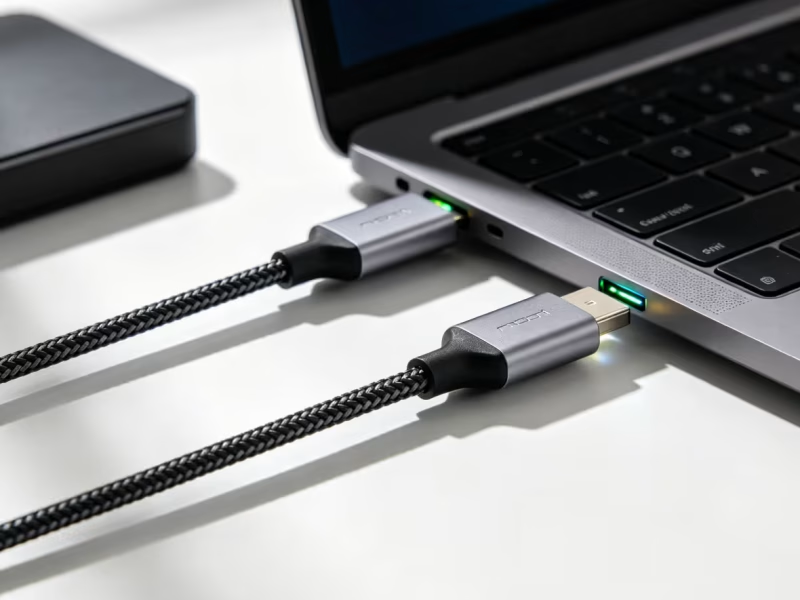
Beyond the core conductors and chips, fast charging data cables are built with multi-layer shielding—often a combination of aluminum foil and braided copper—that blocks electromagnetic interference (EMI) and radio frequency interference (RFI). This guarantees a stable power signal and also preserves data integrity when the cable is used for syncing. Furthermore, the connector pins are precision-engineered with gold-plating to reduce contact resistance and prevent corrosion. The physical design of the plug ensures a snug fit, minimizing power loss at the connection point. Combined with over-current and over-temperature protection circuitry integrated into the cable’s design, these features make fast charging data cables reliable even under continuous high-load conditions.
Additional Factors That Define High-Quality Fast Charging Data Cables
Build quality and certification play a crucial role. Reputable fast charging data cables undergo rigorous testing to meet standards such as USB-IF certification and Apple MFi (Made for iPhone/iPad). These certifications verify that the cable meets strict electrical and mechanical requirements. The strain relief at connector ends, the flexibility of the jacket material (often nylon-braided or TPE), and the overall tensile strength contribute to long-term durability. Using a well-constructed fast charging data cables ensures not only faster charging but also prolongs the lifespan of the device battery by avoiding irregular power delivery. As charging speeds continue to climb—with 100W and higher becoming commonplace—investing in a robust, intelligently designed cable is essential for safe and efficient daily use.