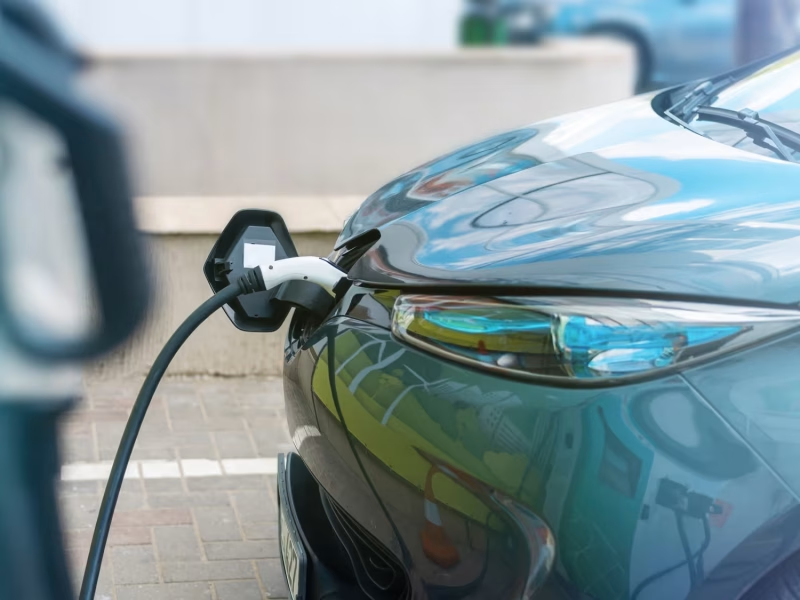
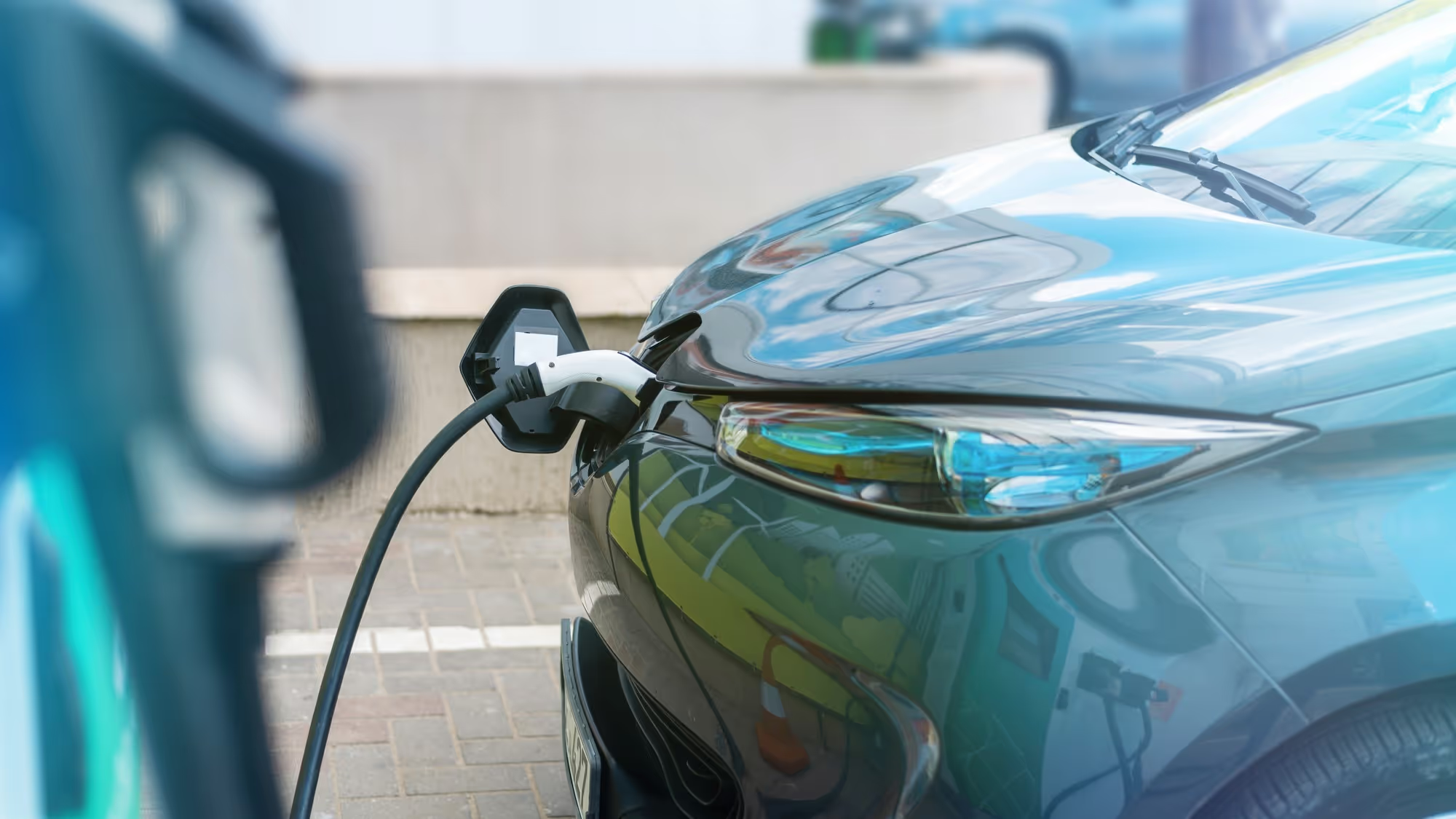
With the soaring adoption of electric vehicles, home charging for electric vehicles has become the preferred method for convenient, cost-effective daily battery replenishment. However, without proper safety measures, charging for electric vehicles at home can lead to circuit overload, battery degradation, and even fire hazards. Mastering standardized precautions is therefore essential for every EV owner. This guide covers the crucial aspects of safe and efficient home charging for electric vehicles, from equipment to daily habits.
Essential Equipment Setup for Home Charging for Electric Vehicles
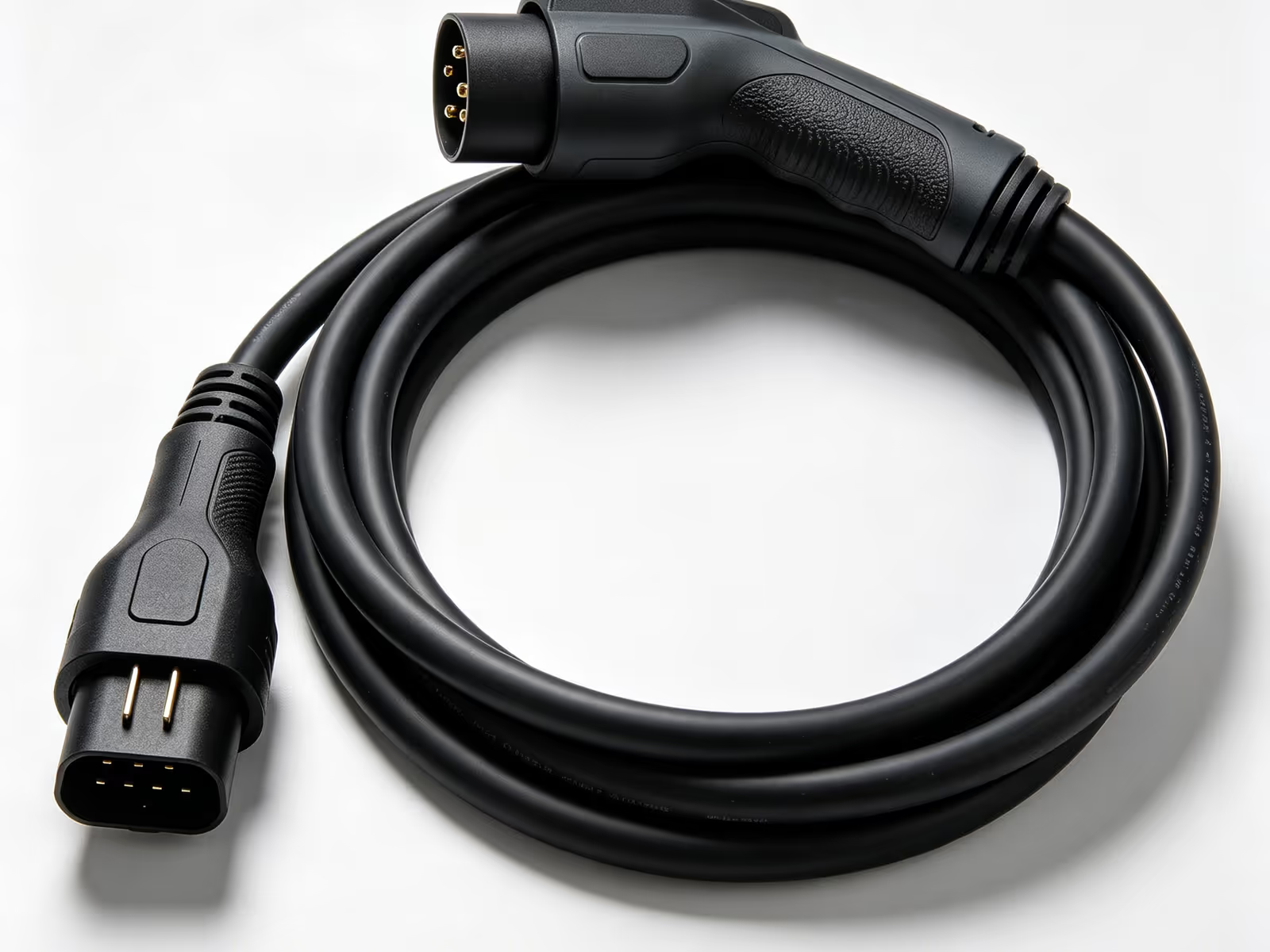
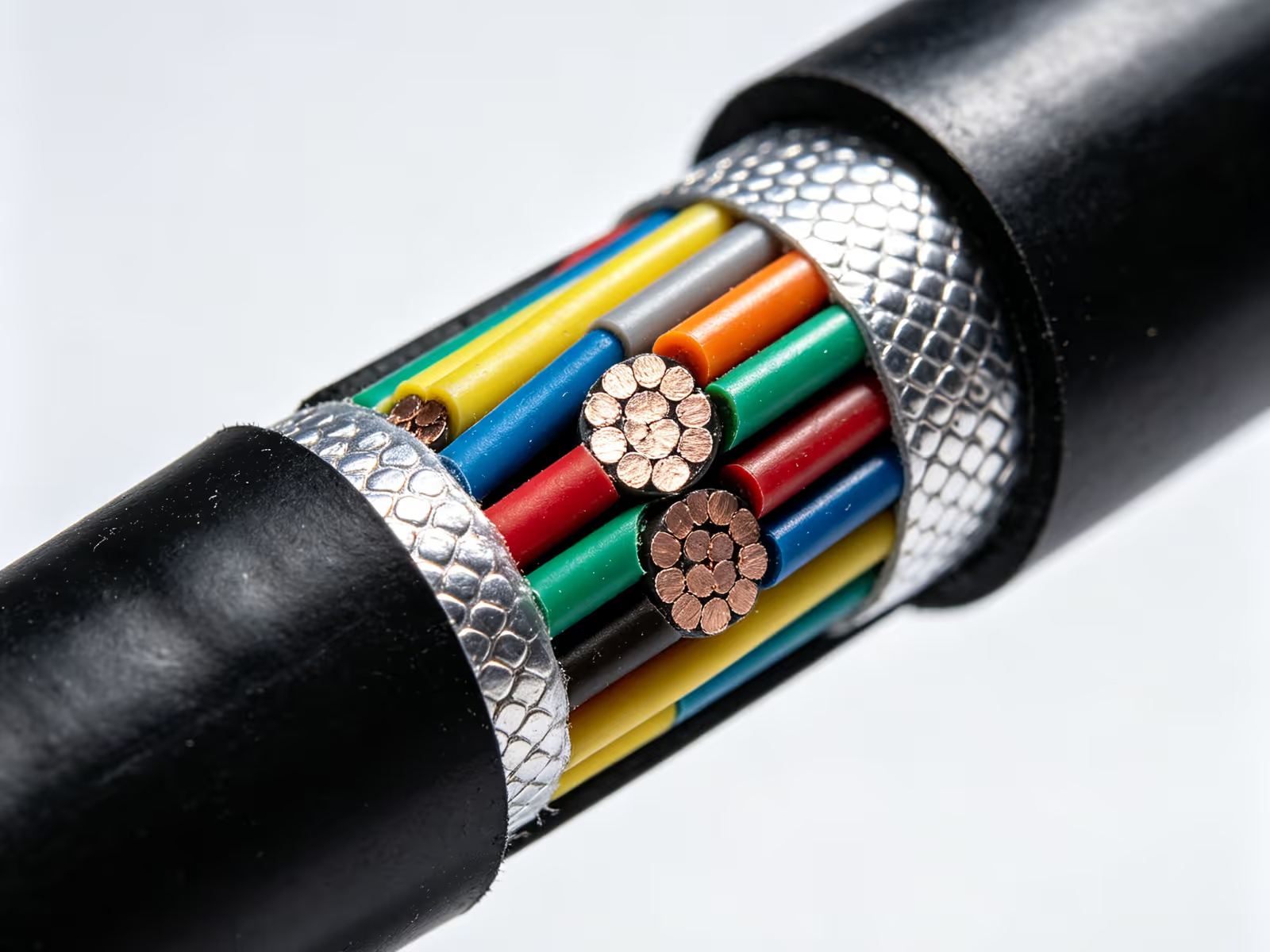
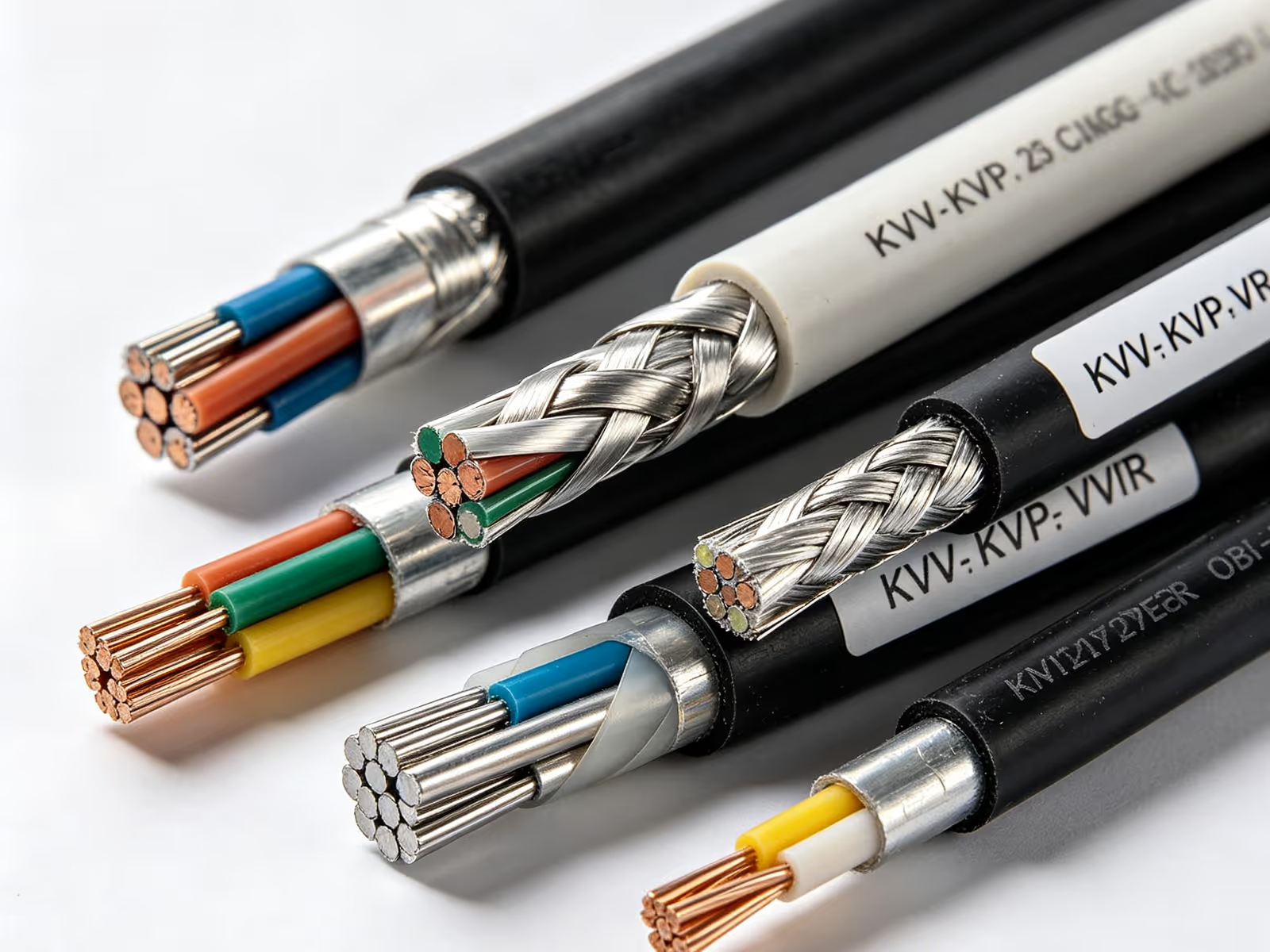
Standardized equipment installation is the foundation of safe home charging for electric vehicles. Owners must use original equipment manufacturer (OEM) or officially certified charging stations and cables, avoiding inferior or modified components. A dedicated independent circuit should be installed solely for charging for electric vehicles, equipped with appropriately rated overload and leakage protection devices. High-power charging units should never share circuits with common household sockets, as this accelerates wire aging and short-circuit risks. Additionally, installing a surge protector can guard against voltage spikes that may damage the vehicle’s onboard charger or battery management system.
According to industry data, over 30% of home EV charging incidents are linked to substandard wiring or counterfeit accessories. Therefore, investing in a Level 2 charging station, which can deliver up to 7.2 kW, and having it professionally inspected annually is a prudent decision. Always verify that the charging equipment meets national safety standards such as UL or CE certifications.
Developing Scientific Charging Habits to Prolong Battery Life
Scientific charging habits are equally important for both safety and longevity when implementing home charging for electric vehicles. After long-distance, high-speed driving, it is advisable to allow the battery to rest for 20–30 minutes before initiating a charge; this cooling period prevents thermal stress and preserves cell chemistry. Avoid overcharging by promptly unplugging the vehicle once the battery reaches 100%. Modern EVs with smart charging features can automatically stop charging, but prolonged float charging can still accelerate capacity loss, reducing the battery’s cycle life by up to 20% over time. Moreover, it’s best to schedule charging sessions during off-peak electricity hours to reduce grid strain and lower energy costs, thereby making home charging for electric vehicles even more economical.
Many manufacturers recommend keeping the battery state-of-charge between 20% and 80% for daily use to maximize longevity. By coupling this with the vehicle’s built-in charging timer, owners can avoid unnecessary top-offs. These practices not only enhance safety but also maintain the stable performance of electric vehicles throughout their lifespan.
Environmental Precautions and Regular Maintenance
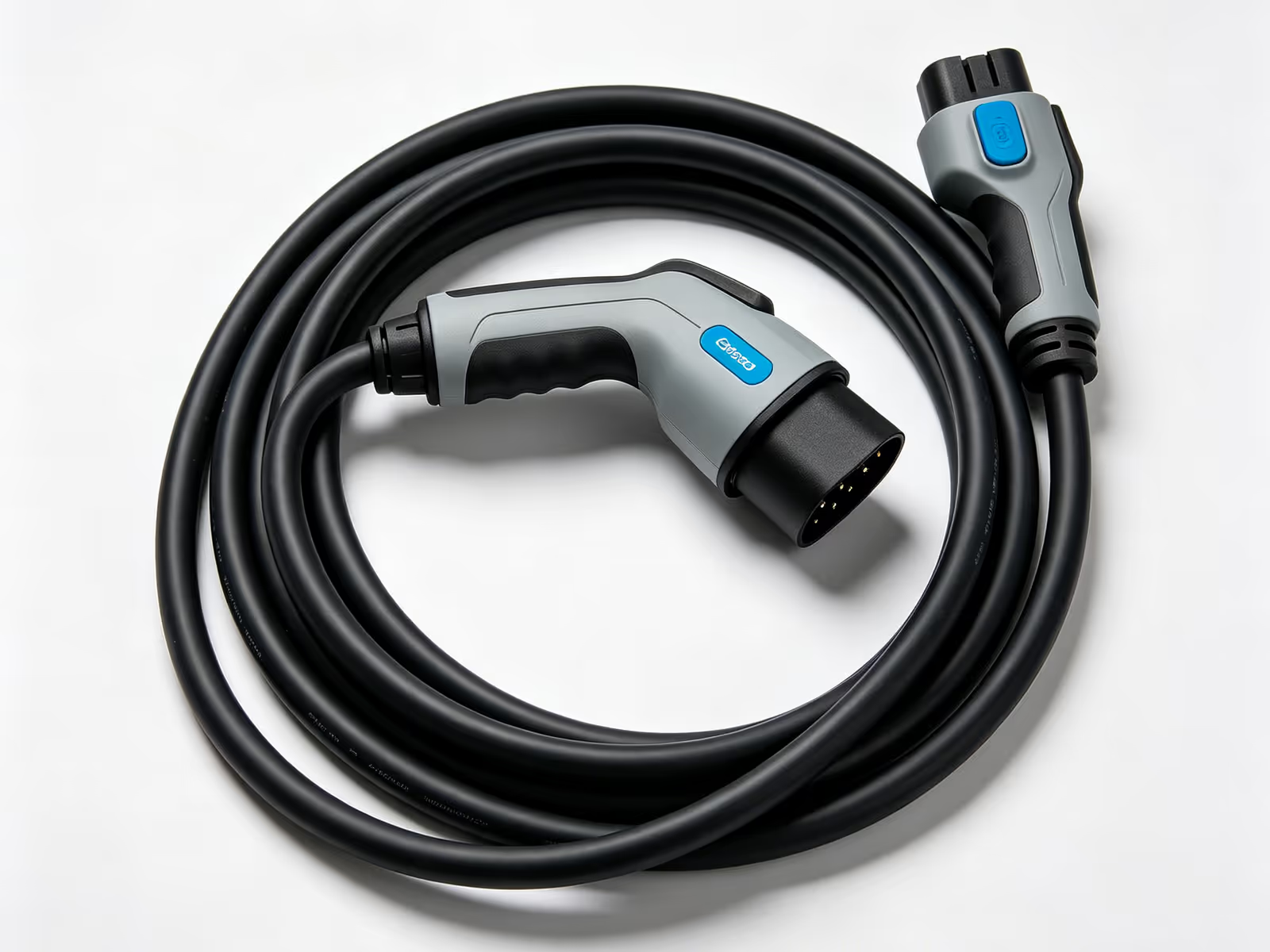
Environmental factors critically impact the safety of home charging for electric vehicles. Never charge the vehicle in humid, rainy, or enclosed high-temperature environments, as moisture and excessive heat can compromise electrical insulation and lead to dangerous short circuits. Ideally, charge in a well-ventilated, dry garage with ambient temperatures between 10°C and 30°C. Outdoor charging installations should have waterproof covers and GFCI (ground fault circuit interrupter) protection to mitigate weather-related risks. Regularly inspect all charging cables, connectors, and circuit panels for signs of wear, corrosion, or dirt buildup. If any unusual heat, noise, or sparking occurs during a charging session, immediately disconnect the power and have the system examined by a qualified electrician.
Annual maintenance, including thermal imaging of connections and testing of ground fault protection, can detect potential faults before they escalate. By adhering to these environmental and inspection routines, EV owners can virtually eliminate home charging hazards and enjoy the full benefits of electric mobility.
Key Takeaways for Safe Home Charging for Electric Vehicles
In conclusion, safe home charging for electric vehicles hinges on three pillars: using certified equipment, cultivating smart charging habits, and performing regular environmental and maintenance checks. By following these precautions, owners ensure not only personal safety but also optimal battery performance and extended service life for their electric vehicles.